Imagine you are an endodontist staring at your dusty old server box in the corner of your office. You are blinking lights, hums, and the occasional uh-oh when it crashes. Meanwhile, your colleague down the street just logs in from his tablet. Even from home, it pulls up patient X’s 3D scan mid-treatment. Which one sounds more modern and less stressful? That gap between you two is exactly what we are talking about: cloud vs on-premise Dental EMR. It’s a big choice, not just techy, but one that affects your workflow, security, money, and sanity. In this blog, we will walk you through what makes each option tick and what’s better or worse for endodontics. We will also discuss which might be a smarter pick for you.
Which EMR Setup Truly Fits an Endodontist’s Practice?
For most endodontists today, cloud-based Dental EMR ends up being the smarter choice. It’s budget-friendly upfront, easy to scale, and lets you access patient records wherever you are.It also makes it easier to share cases and images with dentists who send them to you.
If your internet isn’t stable, or you want to have full control over your data and hardware. On-premises can be better. So the best option really depends on your workflow, comfort level, and how much tech responsibility you want to carry.
Why Cloud EMR Feels Like the Smarter Choice
Cloud systems have become the first pick for many practices these days. Once you look at the real-world benefits, it’s easy to see why endodontists lean toward it. The setup feels faster and way less stressful compared to old-school servers. Let’s look at what makes it different.
Lower Costs and Fewer Headaches
You don’t need to buy expensive servers or pay for tricky installations when you choose the cloud. A real study showed a dental clinic saved almost $2 million in two years by going cloud because it cut all those hidden hardware costs.
You don’t have to pay a lot of money all at once. You pay a small fee each month. Your budget stays stable. There are no unexpected problems that cost you money.
Easy to Grow as You Grow
Cloud EMR makes scaling super easy, whether you are adding new staff, opening a second location, or just having busier months. You don’t need new machines or more storage boxes; everything expands online.
This means your system won’t slow down just because your practice is growing. It adjusts naturally with your workload. It keeps your day running smoother.
Updates Happen On Their Own
You don’t have to do anything to make changes happen with cloud EMR. New features and security patches are immediately pushed by the vendor. You don’t need to schedule downtime or call an IT person to fix broken updates.
For a packed endodontic schedule, this saves hours of stress and keeps everything running safely and legally.
Access From Anywhere
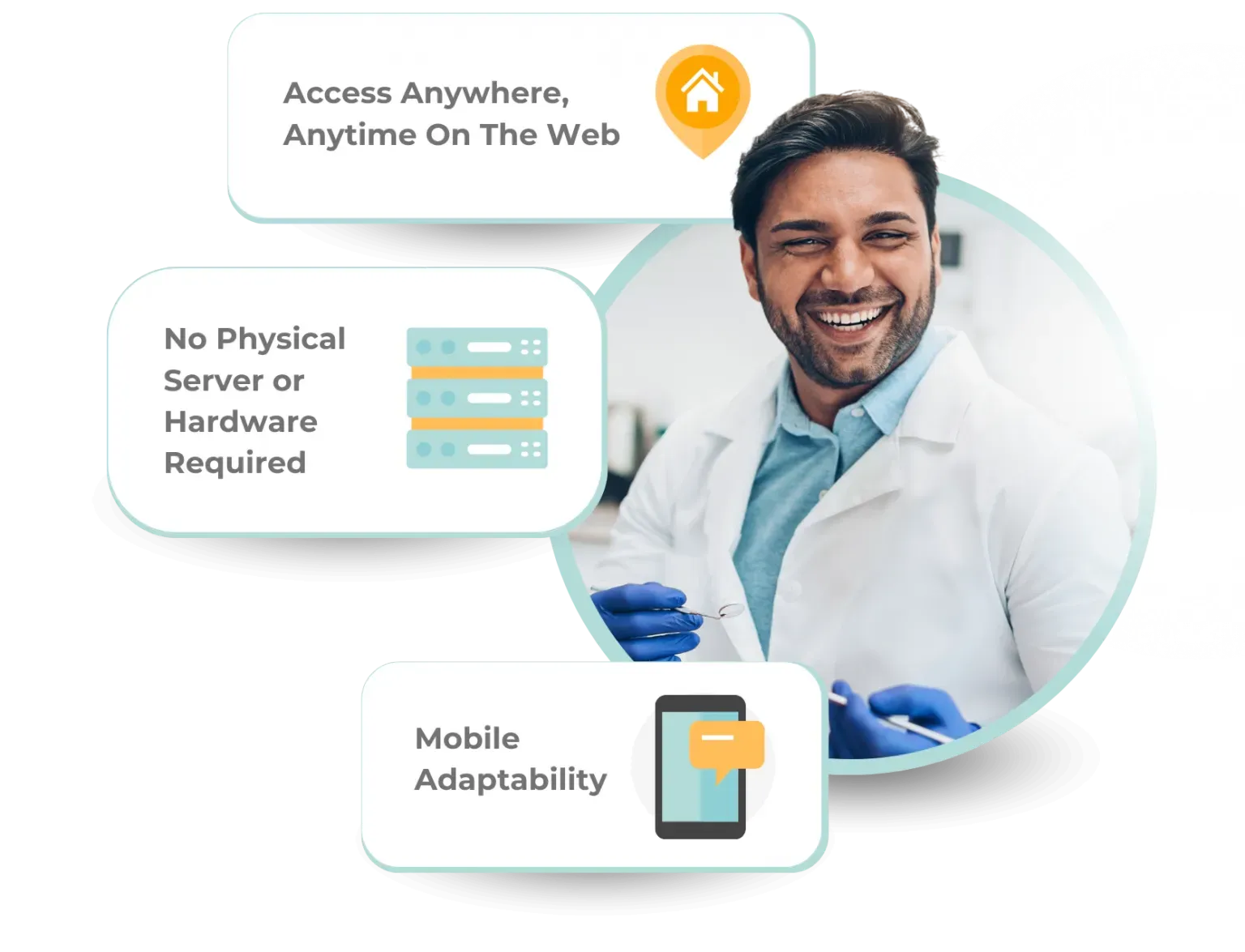
One of the biggest perks is the freedom to access patient files from anywhere home, clinic, or even while traveling. This flexibility helps you stay prepared for any follow-up or sudden concern.
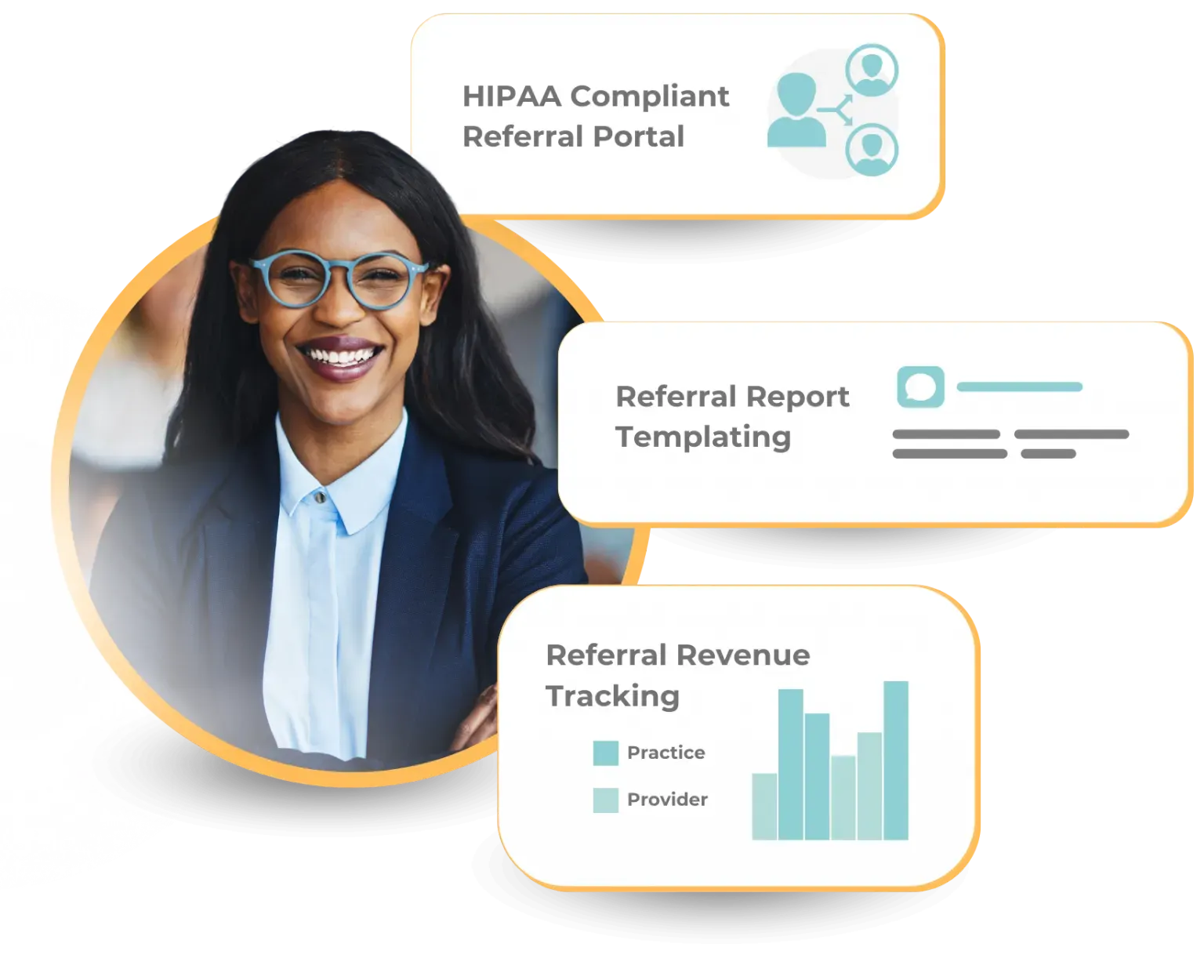
Sharing CBCT scans or treatment plans with referring dentists becomes effortless. Everything moves faster because everyone sees the same information instantly.
Strong Security and Safer Backups
Cloud service companies continuously monitor your data all the time and securely encrypt it, even in the case of a fire or a cyberattack in your office. Your records stay safe and recoverable.
Some studies even show that cloud systems reduce downtime during security issues. Basically, your data has a much stronger safety net than a single office server.
Why Some Practices Still Pick On-Premise
Even though the cloud is popular, on-premise setups haven’t disappeared. They still work well for some clinics, especially those desiring full control or with strong IT support already.
More Control Over Everything
When you host your system in-house, you have control over each and every setting and workflow. Need a customized way to document root canal steps? Your IT team can easily build it for you. You also know exactly where your patient data is physically housed, which helps when you follow very strict internal or regulatory rules. It’s the closest you get to complete ownership of your system.
Works Even Without Internet
With on-premise EMR, your system keeps running even if the internet suddenly drops. That’s a big comfort when you are mid-treatment and need patient history or imaging right away.
While cloud setups are very reliant on connectivity, on-premise setups are more resilient during outages. For clinics with unstable internet connectivity, this itself may be the deciding factor.
Save Money in the Long Run
Yes, on-premise costs more upfront, but can be cheaper in the long run if managed well. Those practices that invest in good servers, solid IT support, and efficient setups sometimes spend less than they would on long-term subscriptions.
You also avoid monthly software fees, though maintenance still costs something. For established clinics, such financial control is quite alluring.
Risks and Challenges
Even the best of systems can have their hiccups. Knowing the risks ahead helps you plan better and avoid surprises.
- No internet means cloud EMR won’t work if the connectivity is unreliable.
- Extra features related to cloud, add-ons, or bandwidth might have hidden fees that increase your expense unexpectedly.
- On-premise servers can crash, backups can fail, or updates can be missed, all your responsibility.
- Hardware, power, cooling, and IT support for on-premise setups can quickly get expensive.
Specific Considerations for Endodontists
Endodontists have different needs compared to general dentists, since you are handling root canals, retreatments, and microsurgeries. You deal with large imaging files such as CBCT scans and frequent communications with referring dentists or prosthodontists.
Large practices may even have several chairs or satellite offices. It is further complicating matters. That’s why cloud EMR often simplifies life. It stores and accesses huge files quickly, lets you collaborate smoothly, and takes the heavy lifting off your IT team. An on-premise setup might work for you if you care a lot about load times or need full control over where your imaging data lives.
Long Story Short
Whether you choose a cloud or on-premise dental EMR depends on your workflow and your budget. It is also based on how much power you want. Cloud EMR gives you more options and makes it easier to control. On-premises, in some cases, gives full control and stability in some cases. For most endodontists, cloud is the smarter, stress-free choice. Whatever you decide, having the right system can make your practice run smoother and more efficiently. If you want help finding the perfect Dental EMR for your clinic, contact us today. We are here to guide you.
FAQs
How does internet speed affect cloud EMR?
Slow internet can make large files lag, but many cloud EMRs use optimized streaming or local caching to help.
Is a hybrid system helpful for dentists who do endodontics?
Yes. Store a lot of images on-site while using the cloud for scheduling and clinical operations. This gives you both control and flexibility.
How hard is it to switch from on-premise to cloud?
Migration takes planning, data cleaning, and vendor support, but most cloud providers can handle it smoothly.